
Last Updated on March 20, 2023
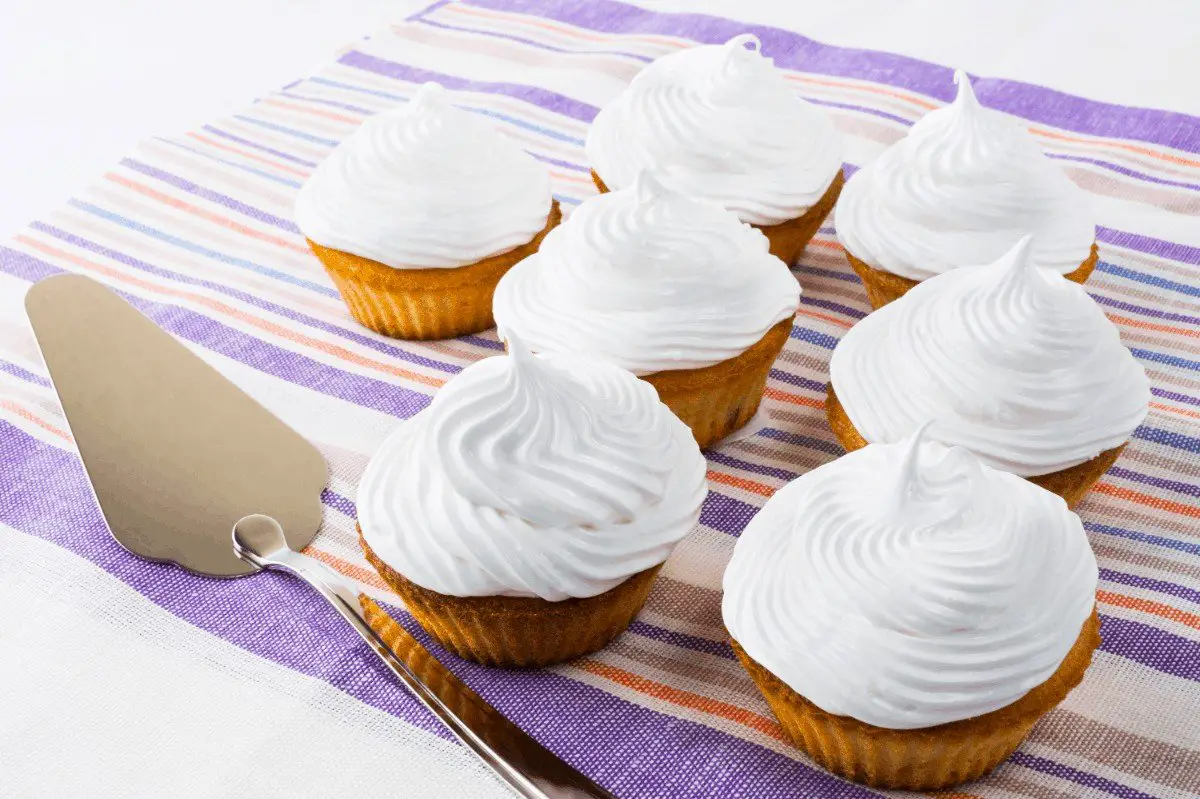
Wilton is well known for its quality bakeware and amazing recipes. They are dessert experts and their products can be found in stores all over. There’s no doubt that Wiltons buttercream frosting recipe will satisfy your sweet cravings.
American buttercream is one of the most commonly used frostings. It is simple to make, has great taste, and pairs well with many different desserts. It is also easy to work with, making it a great choice if you are planning to decorate.
This delicious recipe is a popular choice amongst cake lovers for buttercream frosting. It is an easy recipe and requires no baking experience. This is certainly a recipe you want to add to your collection.
Wiltons Buttercream Frosting: Helpful Wilton Products
Wilton makes several helpful products for baking and cake decorating. Whether you’re a beginner looking to improve your decorating skills or a pro wanting to have every product, Wilton can help you out.
For a great frosting starter kit, you can get the Wilton Deluxe Cake Decorating Set. This set includes piping bags, a spatula, a coupler, decorating tips, and a case. This is a great set to get you started for cake decorating.
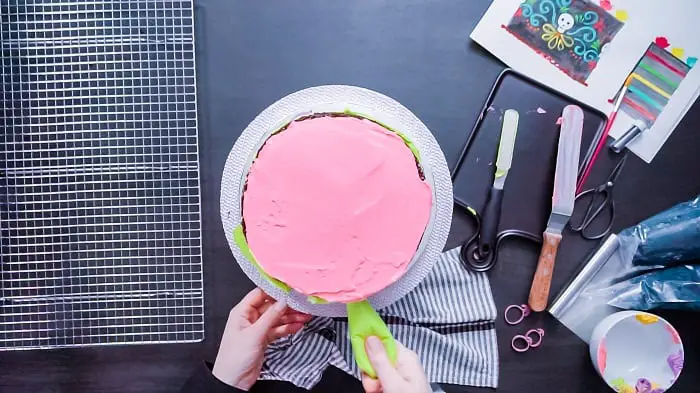
If you are looking to expand your cake decorating skills beyond the basics, you can get the Wilton Ultimate Cake Decorating Tools Set. This expansive set comes in a convenient caddy that includes tips, piping bags, spatulas, couplers, practice board, templates, cut-outs, modeling tools, and decorating templates amongst other accessories. This great kit will help you meet all your decorating needs.
If you want a tool to make frosting simple, the Wilton Dessert Decorating Plus is a great addition to your kitchen. It is easy to use and will make frosting your cakes quick and simple.
Wilton Buttercream Frosting: A Versatile Frosting
This classic frosting is a top choice for bakers. It is easy to work with, which makes it great for decorating shapes and piping designs. It also pairs well with several different desserts.
This buttercream is a great frosting to make if you are a beginner baker, as it is simple to prepare. Its creamy texture and rich taste will leave you wanting more.
What You Will Need for This Wilton Buttercream Frosting Recipe
Ingredients
To make this Wilton buttercream frosting recipe, you will need:
- 1/2 cup solid vegetable shortening
- 1/2 cup (1 stick) butter or margarine (softened)
- 4 cups sifted confectioners’ sugar (approximately 1 lb.). Confectioners’ sugar replacement
- 2 tablespoons milk
- 1 teaspoon vanilla extract
Equipment
To prepare this frosting, you will need a large bowl, a spatula, and an electric mixer. If you want a pure white frosting, you can substitute the butter for an additional cup of shortening, a teaspoon of clear butter flavor, and use clear vanilla instead of vanilla extract.
Step-by-Step Instructions
Step One: Beat Shortening, Butter, and Vanilla
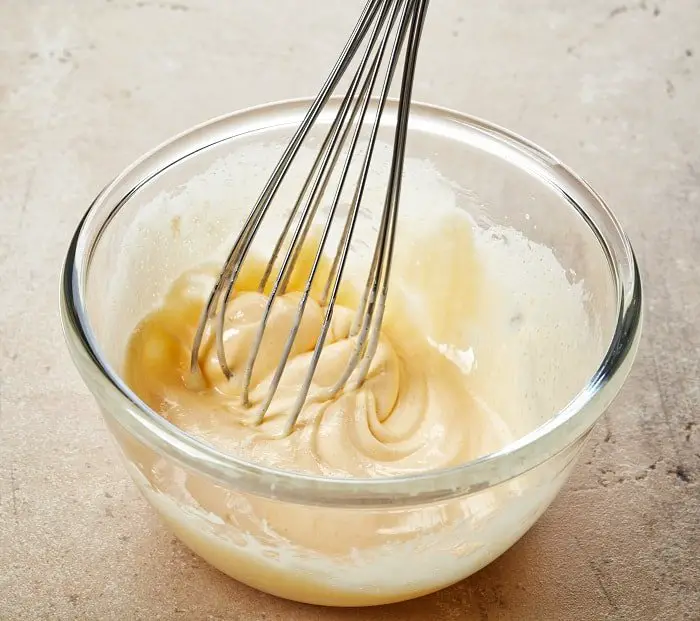
In a large bowl, beat the shortening and butter together with an electric mixer. Mix until light and fluffy and then beat in the vanilla extract.
Step Two: Add the Sugar
One cup at a time, gradually add in the sugar and beat on medium speed. You will need to scrape the sides and bottom of the bowl often. Once mixed, the frosting will appear dry.
Step Three: Add the Milk
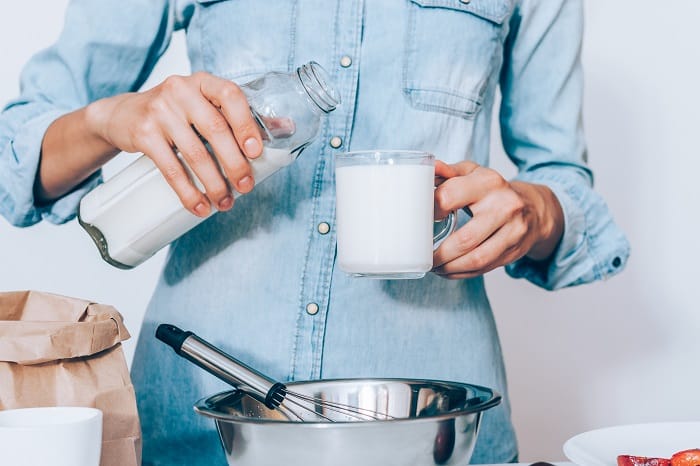
Gradually add the milk and beat on medium until the frosting becomes light and fluffy.
This frosting recipe is for a stiff consistency buttercream, which is great for piping decorations. For a thinner consistency, which is ideal for frosting cakes, you can add one teaspoon of water, milk, or corn syrup for every cup of frosting.
This buttercream frosting comes out white, so you can add food coloring to achieve your desired shade. Wilton’s Gel-Based Food Coloring works great with buttercream frosting as it won’t change the texture but provides vibrant color.
Tips and Tricks
If you are using a hand mixer instead of a stand mixer, beat the shortening, butter, vanilla, and milk first. Then once all those ingredients are mixed, gradually add the sugar.
To avoid the frosting from curdling, make sure the ingredients are at room temperature before making your frosting. Cold butter is the main reason frosting curdles, as the temperature changes the consistency.
If you live in a humid climate, you may add a teaspoon of sugar at a time if your frosting is too wet. Supposed If your frosting is too dry, add up to half a teaspoon at a time of water, milk, or corn syrup.
If you are wanting a creamier buttercream, you can make this recipe with all butter, subsisting the vegetable shortening. Replace the half cup of shortening with an additional half cup of butter. This will make a softer buttercream; however, it will be more prone to melting in warm temperatures.

If you find this buttercream too sweet, you can add a pinch of salt when adding the liquids to the frosting. You may also add a splash of lemon juice to balance out the sweetness.
This buttercream can be left for up to three days at room temperature. It can be stored in the fridge for up to two weeks and in the freezer for up to six months. Make sure to thaw leftover buttercream before decorating with it, otherwise, the cold buttercream will not hold its form.
After storing buttercream in the fridge or freezer, make sure to whip it back together once it has thawed. Buttercream often separates when it is stored in the fridge or freezer.
Amazing Wilton’s Buttercream Frosting Recipe
Equipment
Ingredients
- 1/2 cup solid vegetable shortening
- 1/2 cup (1 stick) butter or margarine (softened)
- 4 cups sifted confectioners’ sugar approximately 1 lb.
- 2 tablespoons milk
- 1 teaspoon vanilla extract
Instructions
- Step One: Beat Shortening, Butter and Vanilla
- In a large bowl, beat the shortening and butter together with an electric mixer. Mix until light and fluffy and then beat in the vanilla extract.
- Step Two: Add the Sugar
- One cup at a time, gradually add in the sugar and beat on medium speed. You will need to scrape the sides and bottom of the bowl often. Once mixed together, the frosting will appear dry.
- Step Three: Add the Milk
- Gradually add the milk and beat on medium until the frosting becomes light and fluffy.
Notes
- If you are using a hand mixer instead of a stand mixer, beat the shortening, butter, vanilla, and milk first. Then once all those ingredients are mixed together, gradually add the sugar.
- To avoid the frosting from curdling, make sure the ingredients are room temperature before making your frosting. Cold butter is the main reason frosting curdles, as the temperature changes the consistency.
- If you live in a humid climate, you may add a teaspoon of sugar at a time if your frosting is too wet. If your frosting is too dry, add up to half a teaspoon at a time of water, milk or corn syrup.
- If you are wanting a creamier buttercream, you can make this recipe with all butter, subsisting out the vegetable shortening. Replace the half cup of shortening with an additional half cup of butter. This will make a softer buttercream; however, it will be more prone to melting in warm temperatures.
- If you find this buttercream too sweet, you can add a pinch of salt when adding the liquids to the frosting. You may also add a splash of lemon juice to balance out the sweetness.
- This buttercream can be left up to three days at room temperature. It can be stored in the fridge for up to two weeks and in the freezer for up to six months. Make sure to thaw leftover buttercream before decorating with, otherwise, the cold buttercream will not hold its form.
- After storing buttercream in the fridge or freezer, make sure to whip it back together once it has thawed. Buttercream often separates when it is stored in the fridge or freezer.
How Long Does Wilton Buttercream Icing Last?
You may be wondering how long Wilton buttercream icing lasts. Before you open the icing, it’s best to check the expiration date. All food and drink products legally need to display their expiration date.
You can usually find this on either the top or bottom of the tub. However, once opened, the expiration date will change. Once opened, it needs to be kept in the refrigerator and needs to be in an airtight container.
When stored this way, it’ll last around two weeks. Before you use your refrigerated icing it’s important to bring it to room temperature. After this, you need to re-whip the icing again. If you have already used the buttercream icing on your cakes, it should last around two to three days at room temperature; and slightly longer if kept in the refrigerator.
Is Wilton Buttercream Icing Gluten-Free?
Before we can determine whether Wilton buttercream icing is gluten-free, we must first take a look at the ingredients. Wilton Creamy White Decorator Icing contains the following ingredients:
- sugar
- vegetable oil
- corn syrup
- water
- titanium dioxide (color)
- guar gum
- lactic acid esters of mono-and diglycerides of fatty acids
- mixed tocopherols
- natural flavor
- phosphoric acid
- potassium sorbate and sodium benzoate (preservatives)
- propylene glycol mono and diesters of fatty acids
- salt
- starch
As you can probably tell from the list of ingredients, there are no ingredients that contain gluten. Gluten is a protein that is found in grains such as wheat, barley, rye, and spelling. However, that does not mean that this product is gluten-free.
This is because of cross-contact. Wilton’s ingredients label clearly states that “made on equipment that also processes: milk, peanuts, soy, and wheat”. This means that while the product itself shouldn’t contain gluten, it may contain traces of gluten due to how it’s been processed. It’s worth noting that this product is also made in a facility that processes eggs and tree nuts.
For this reason, we would not recommend this product if you’re particularly intolerant to gluten or live with celiac disease. This seems to be true for most of the baking supplies that Wilton offer, but always check the ingredients label for the most up-to-date information as ingredients are subject to change at any time.
Is Wilton Decorating Icing Vegan?
When it comes down to ingredients, Wilton decorating icing does not contain any ingredients that can not be consumed when following a vegan diet. However, depending on how strictly you follow the vegan diet, you may want to reconsider adding Wilton decorating icing to your diet. This is because Wilton state that this product is made on equipment that processes milk and is also made in a facility that processes eggs.
For this reason, the end product may contain traces of these ingredients due to how the product is prepared. If you follow a vegan diet strictly, it may be best to avoid this product. However, don’t worry – there are plenty of vegan alternatives for decorating icing!
A Classic Wiltons Buttercream Frosting
This buttercream is simple and is the perfect addition to all your baked goods. Its creamy texture and sweet taste make it a popular choice amongst dessert lovers. It is a versatile frosting, making it a must-have for many bakers.
This is a recipe that you don’t want to miss out on, whether you are frosting cakes, cookies, or brownies. If you tried this frosting, please share your experience making it.
Please comment if you enjoyed this article or have any remarks regarding this recipe!

Karen is a passionate pastry chef who loves to create delicious baked goods. She has been in the culinary arts for over 10 years, honing her skills and perfecting her craft. Karen is known for her creativity and attention to detail, creating unique desserts that bring a smile to everyone’s face. She is always looking for ways to challenge herself and come up with new recipes that are both tasty and visually appealing. Karen loves to experiment with different flavors and textures, and she is committed to providing the highest quality of products to her customers.