
Last Updated on March 22, 2023
Crisco vegetable shortening is a popular choice for many dessert recipes. It is great for making frosting fluffy, making it a top choice for many bakery frostings. If you are looking for a great bakery recipe with Crisco frosting, this blog has just that.
This frosting recipe is easy to make and requires little baking experience. It is the perfect addition to any of your homemade baked goods. It is sure to be a hit at your next party.
What You Will Need for Crisco Frosting
Ingredients
To make this recipe, you will need:
- 2/3 cup Crisco All-Vegetable Shortening
- 1 ½ teaspoons vanilla extract
- ¼ teaspoon salt
- 4 cups powdered sugar
- 5-6 tablespoons milk
Equipment
To prepare this frosting you will need a large bowl and an electric mixer.
Step by Step Instructions for Crisco Frosting
Step One: Beating Ingredients
In a large bowl, beat together the shortening, vanilla, and salt on high speed until they become fluffy.
Step Two: Adding the Powdered Sugar and Milk
Add the powdered sugar to the mix. Beat the mix on low speed and gradually add the milk until the mix is smoothly blended.
Step Three: Beat the Mixture
On high speed, beat the mixture for approximately two minutes, until the frosting is smooth and creamy.
It is important to make sure you beat the frosting for long enough, to make sure it was reached a smooth and creamy consistency.
This frosting comes out white, so you can add food coloring to achieve your desired shade. Any leftover frosting should be stored in the fridge for up to one week.
Tips and Tricks for Crisco Frosting
Using Crisco instead of butter in a recipe allows the frosting to become more stable, have a longer shelf life, and withstand heat better. Crisco is also cheaper than butter. This is why many grocery bakeries use Crisco instead of butter for their frostings.
If you need to make a lot of frosting, Crisco frosting is a great choice as it is easy and will last. Crisco frosting is also great to make if you are in a hurry because you don’t have to worry about waiting for the butter to thaw.
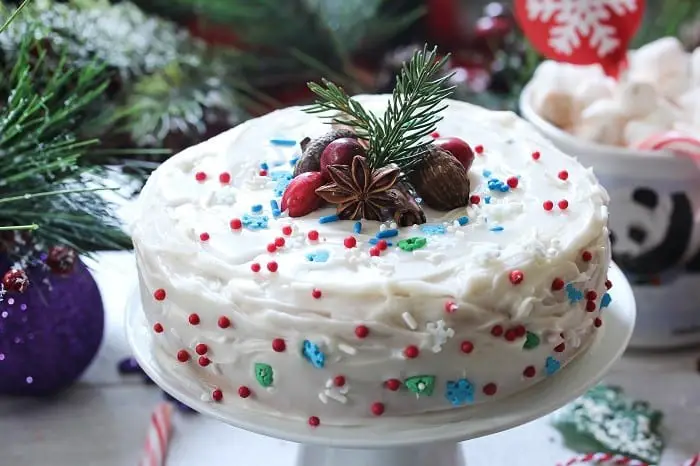
If you have leftover frosting you have been storing in the fridge, it is best to let it thaw out till it reaches room temperature. This will make the frosting easier to use when you are decorating your baked goods. Frosting made with Crisco tends to be easier to pipe than butter-based frostings.
Smooth and Creamy Frosting With Crisco
This Crisco frosting recipe is a great one to add to your recipe book. It is simple to make and is bakery quality, making it a win-win. Your family and friends are sure to love it and will be asking you for the recipe.
This Crisco frosting is sure to meet your sweet cravings. If you tried this frosting, please share your experience making it.
Please comment if you enjoyed this article or have any remarks regarding this recipe!
Tasty Bakery Frosting Recipe with Crisco
Equipment
Ingredients
- 2/3 cup Crisco All-Vegetable Shortening
- 1 ½ teaspoons vanilla extract
- ¼ teaspoon salt
- 4 cups powdered sugar
- 5-6 tablespoons milk
Instructions
- Step One
- Beating Ingredients: In a large bowl, beat together the shortening, vanilla and salt on high speed until they become fluffy.
- Step Two
- Adding the Powdered Sugar and Milk: Add the powdered sugar to the mix. Beat the mix on low speed and gradually add the milk until the mix is smoothly blended.
- Step Three
- Beat the Mixture: On high speed, beat the mixture for approximately two minutes, until the frosting is smooth and creamy. It is important to make sure you beat the frosting for long enough, in order to make sure it was reached a smooth and creamy consistency.
Notes
- Using Crisco instead of butter in a recipe allows the frosting to become more stable, have a longer shelf life and withstand heat better. Crisco is also cheaper than butter. This is why many grocery bakeries use Crisco instead of butter for their frostings.
- If you are needing to make a lot of frosting, Crisco frosting is a great choice to make as it easy and will last. Crisco frosting is also great to make if you are in a hurry because you don’t have to worry about waiting for butter to thaw.
- If you have leftover frosting you have been storing in the fridge, it is best to let it thaw out till it reaches room temperature. This will make the frosting easier to use when you are decorating your baked goods. Frosting made with Crisco tends to be easier to pipe than butter-based frostings.
FAQ’s
What Can I Substitute for Shortening in Buttercream Frosting?
There are many ingredients you can use in place of shortening when it comes to making the creamiest buttercream frosting. Some of the most popular alternatives include butter, lard, margarine, ghee, and even oils such as coconut and vegetable oil. If you’re looking for a fluffy and light frosting, butter and margarine are the best replacements.
How to Make Chocolate Frosting With Shortening?
If you’re looking to make the ideal chocolate frosting with shortening, you’ll need the following ingredients: 8 tbsp of cocoa powder, 8 tbsp of hot water (or milk), 8 tbsp of shortening (Crisco is ideal), 1 tsp of vanilla extract, 1/2 tsp of salt and 4 cups of powdered sugar. Once you have the above ingredients, all you need to do is: add the cocoa powder and liquid to a bowl and leave for a minute or so. Now add the vanilla extract, salt, and shortening and mix gently.
Next, gradually add the powdered sugar, 1/2 cup at a time. Keep mixing until the shortening is fluffy and light. Use frosting as you wish.
What Kind of Shortening For Buttercream Icing?
When it comes to buttercream icing, you can use a variety of ingredients. Pure white vegetable shortening such as Crisco is the best shortening to use. However, if you’re looking for icing that is full of flavor, you can use either butter or margarine. Lard or oil can also work in buttercream icing too.
How to Make Buttercream Frosting With Vegetable Shortening?
You can make traditional buttercream frosting using vegetable shortening. For the best frosting, try using this recipe. You’ll need the following ingredients: 1/2 cup of unsalted butter, 1/2 cup of shortening, 4 cups of powdered sugar, 1 teaspoon of vanilla extract, 2-3 tablespoons of water, and a pinch of salt.
Now all you need to do is grab a bowl and add the shortening and butter. Mix well until you reach a creamy consistency. At this point, you can add around half of the sugar and mix until combined.
Once combined, add a small amount of water, along with the pure vanilla extract. Mix well and then add the remainder of the powdered sugar. Keep mixing until the frosting is light and fluffy. Add a pinch of salt. If needed, you may need to add more water to achieve the consistency you desire.
Does Crisco Frosting Harden?
Frosting typically hardens at room temperature if left for a few hours. However, if you’re looking for extra stiff frosting, there are a few ways you can achieve this. The easiest way is by adding more powdered sugar.
If you’re out of powdered sugar, you could also try using a small amount of flour too. Try adding a teaspoon of flour first, and then add more flour as and when needed. You can also try placing your frosting into the refrigerator. This may help to achieve the consistency you’re looking for.
How Long Does Crisco Frosting Last?
If your Crisco frosting has just been made, you can leave it out overnight until ready to use. However, if you have any frosting left over, it’s best to place it in an airtight container and keep it refrigerated. If stored correctly, leftover Crisco frosting can last up to 3 months.

Karen is a passionate pastry chef who loves to create delicious baked goods. She has been in the culinary arts for over 10 years, honing her skills and perfecting her craft. Karen is known for her creativity and attention to detail, creating unique desserts that bring a smile to everyone’s face. She is always looking for ways to challenge herself and come up with new recipes that are both tasty and visually appealing. Karen loves to experiment with different flavors and textures, and she is committed to providing the highest quality of products to her customers.